

1 / 7
Weldy Geomembrane Welding Equipment for Lining and Waterproofing Projects
Hot wedge welders and hand extruders for joining thermoplastic geomembranes in lining, containment and waterproofing projects.
- Brand
- Weldy
- Category
- Plastic Welding Equipment
- Type
- Product Range
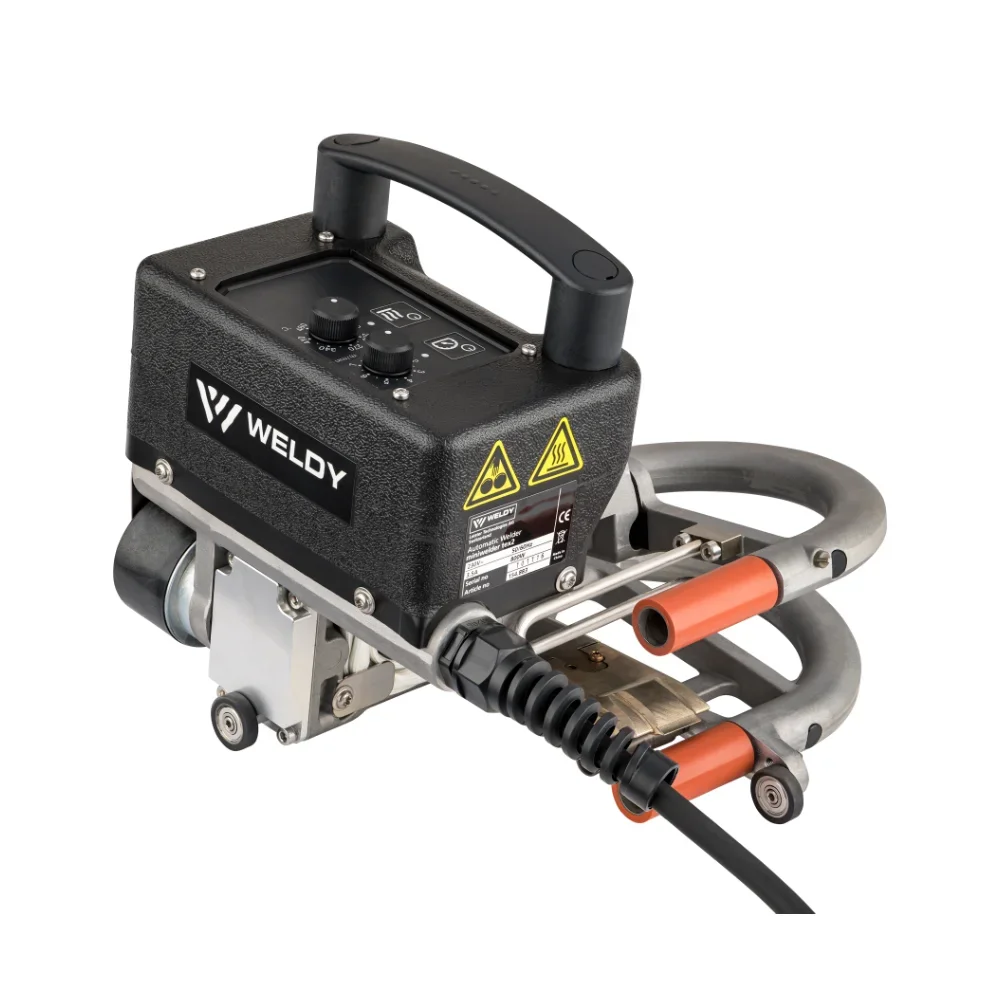
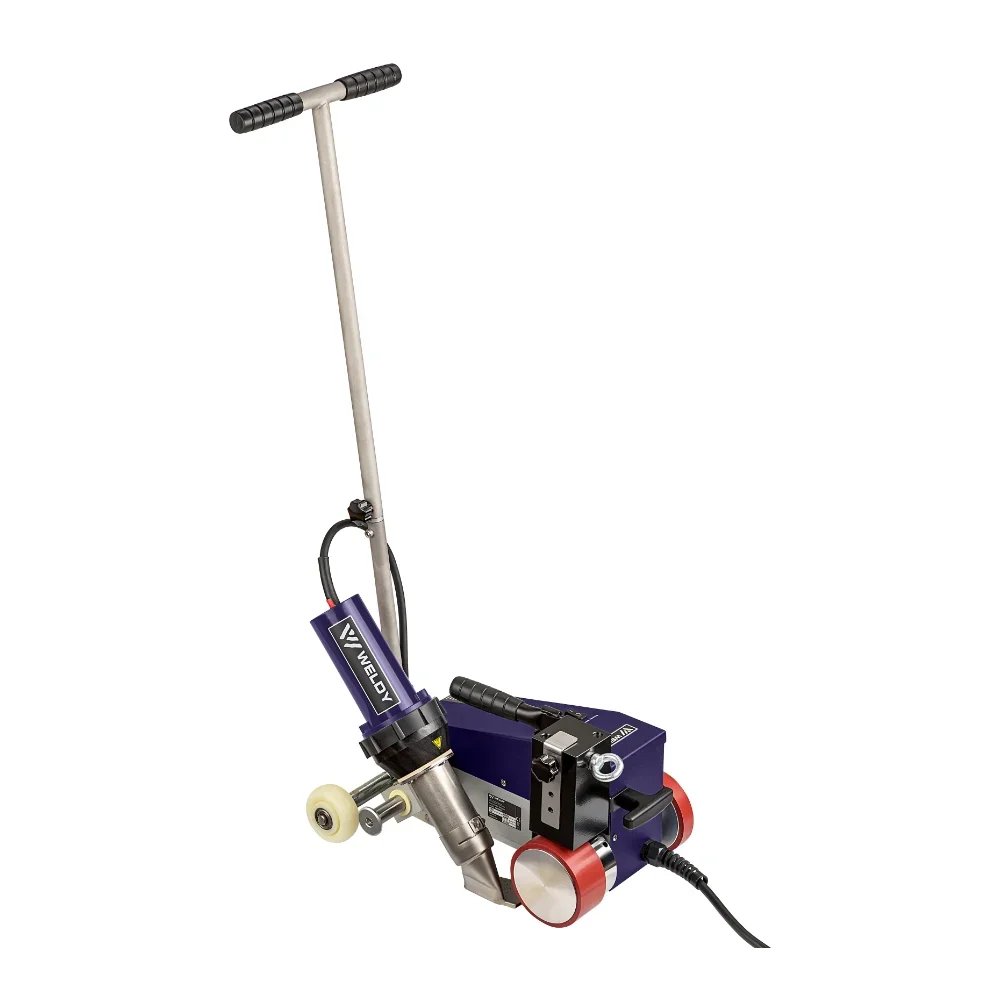
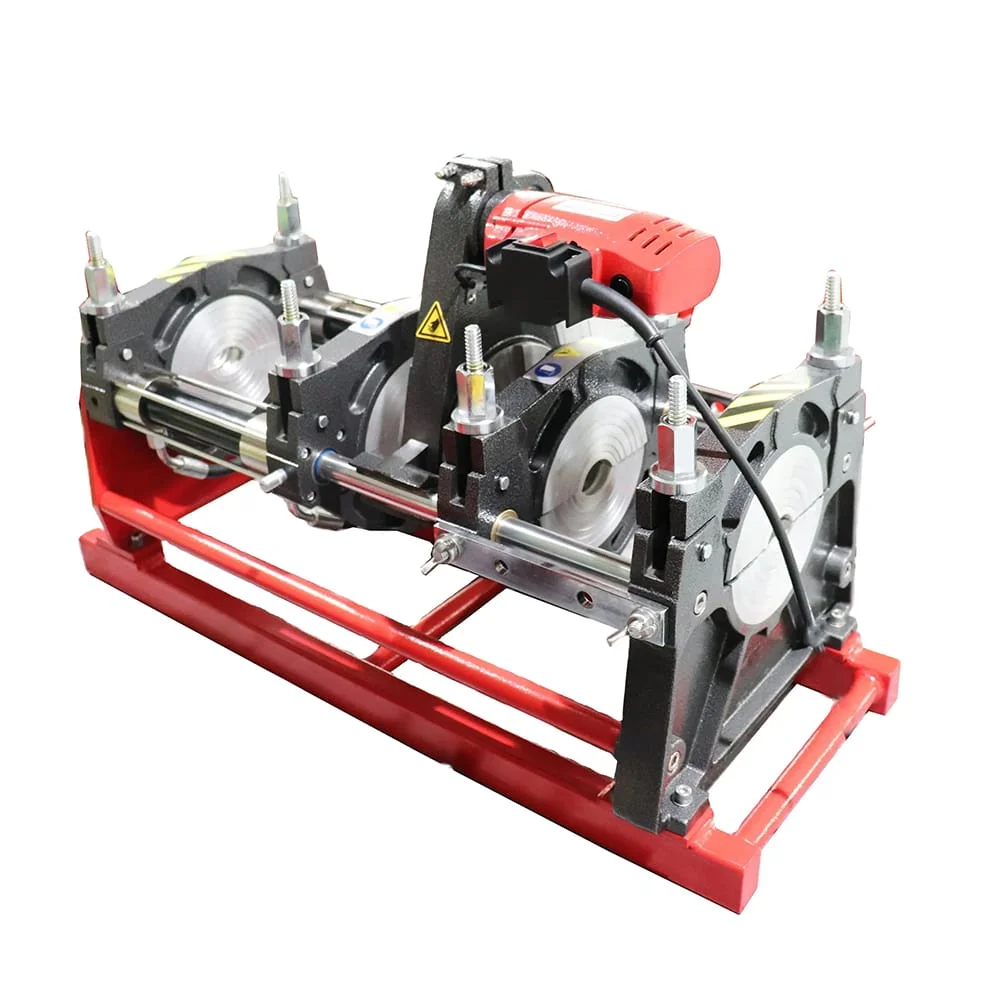
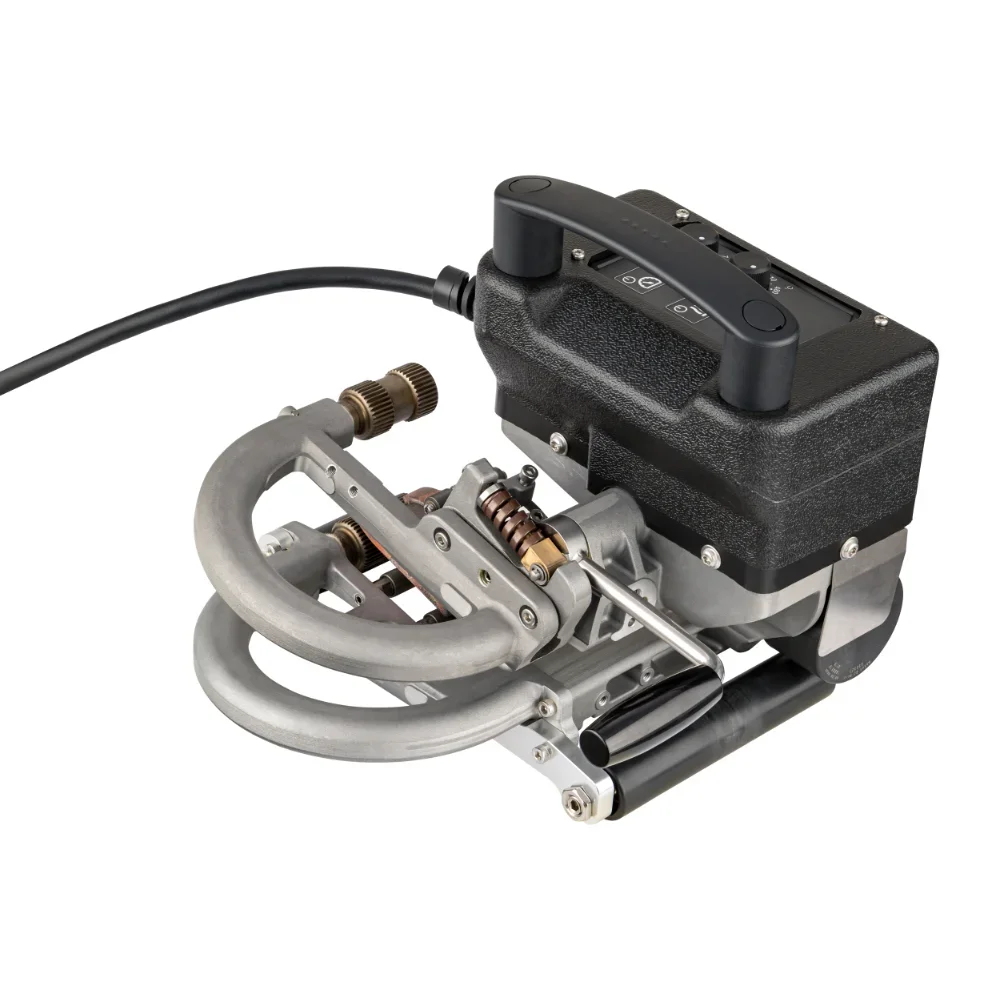
- Hot wedge welders for continuous geomembrane seams
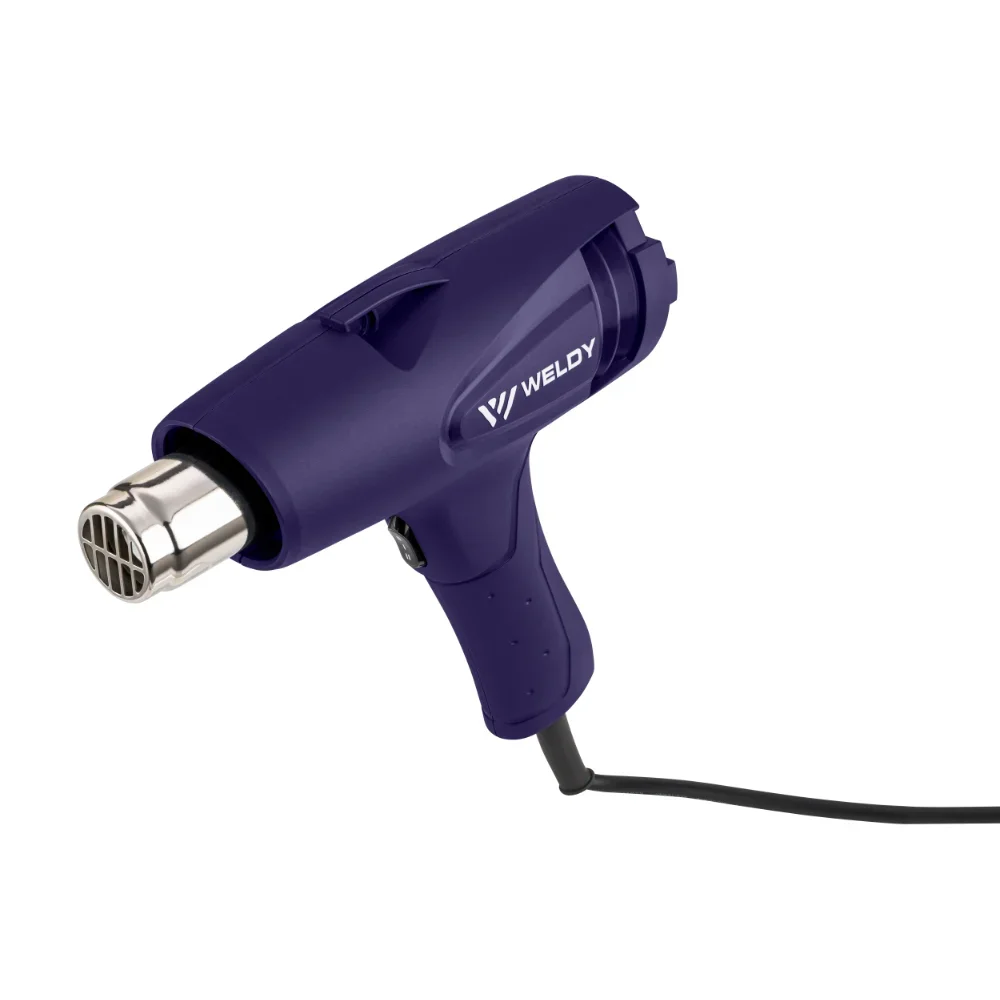
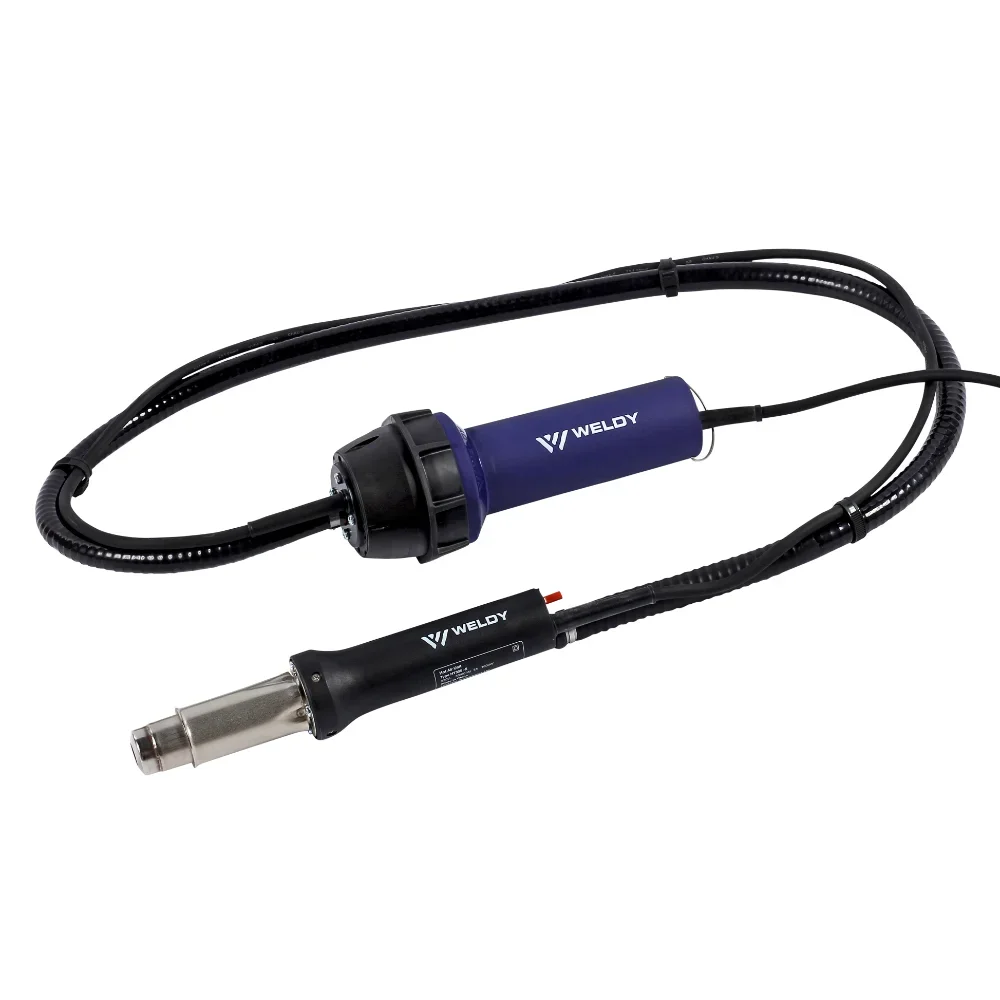
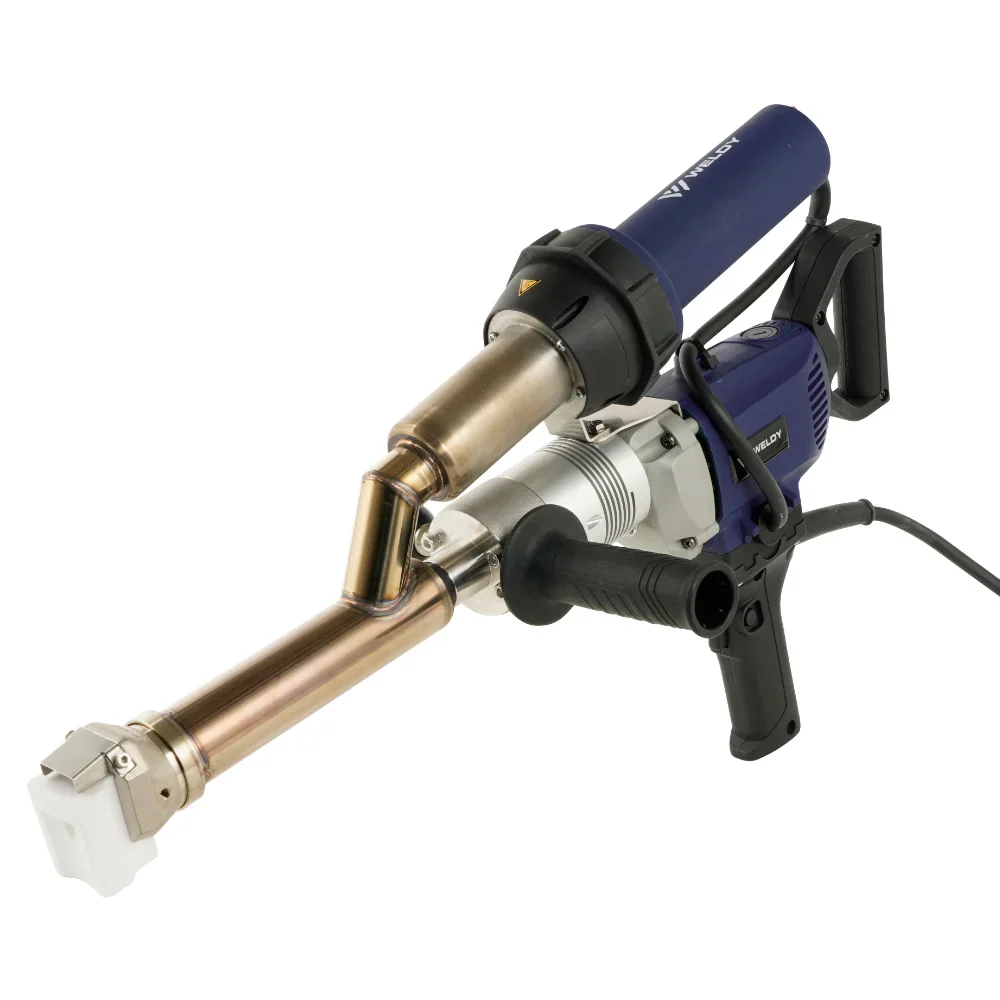
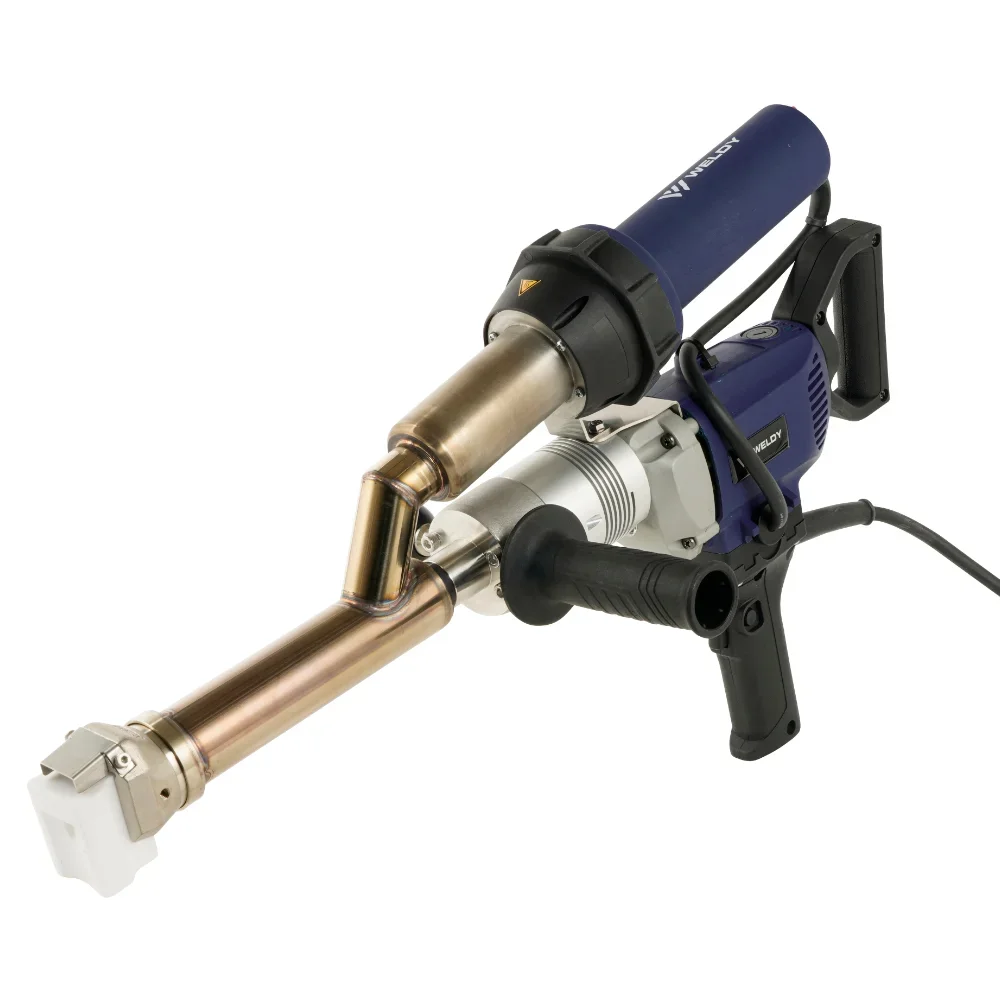
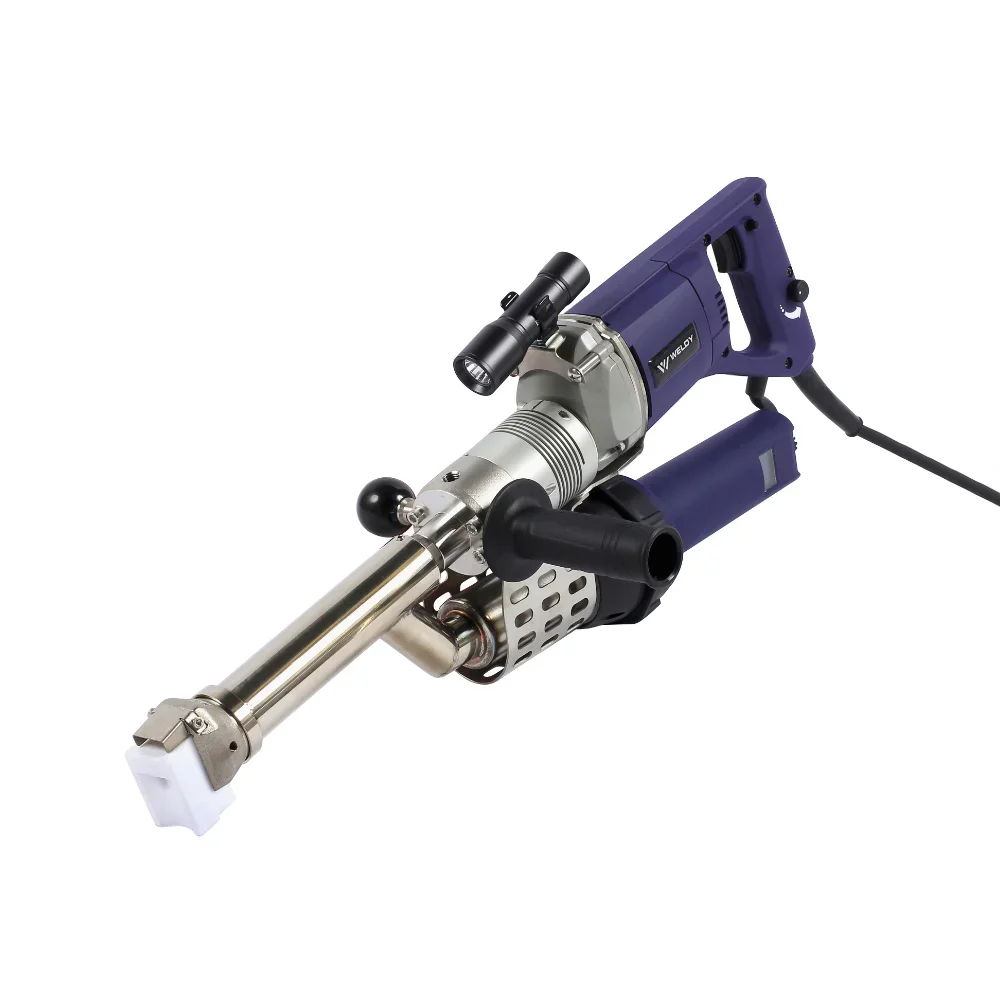
- Hand extruders for PE membrane welding
- Dual-track seams with test channel on selected machines
- For HDPE and other thermoplastic geomembranes
- Landfill, mining, reservoir, pond and aquaculture applications
- Heavy-duty and lightweight machine options
Description
Geomembranes are thermoplastic liners, most commonly HDPE. They contain or retain liquids and waste in landfills, mines, reservoirs, canals, ponds and aquaculture facilities. A liner is only as reliable as its seams, so the welding equipment is central to every lining project.
Weldy geomembrane welding equipment covers the two main joining methods used on lining work:
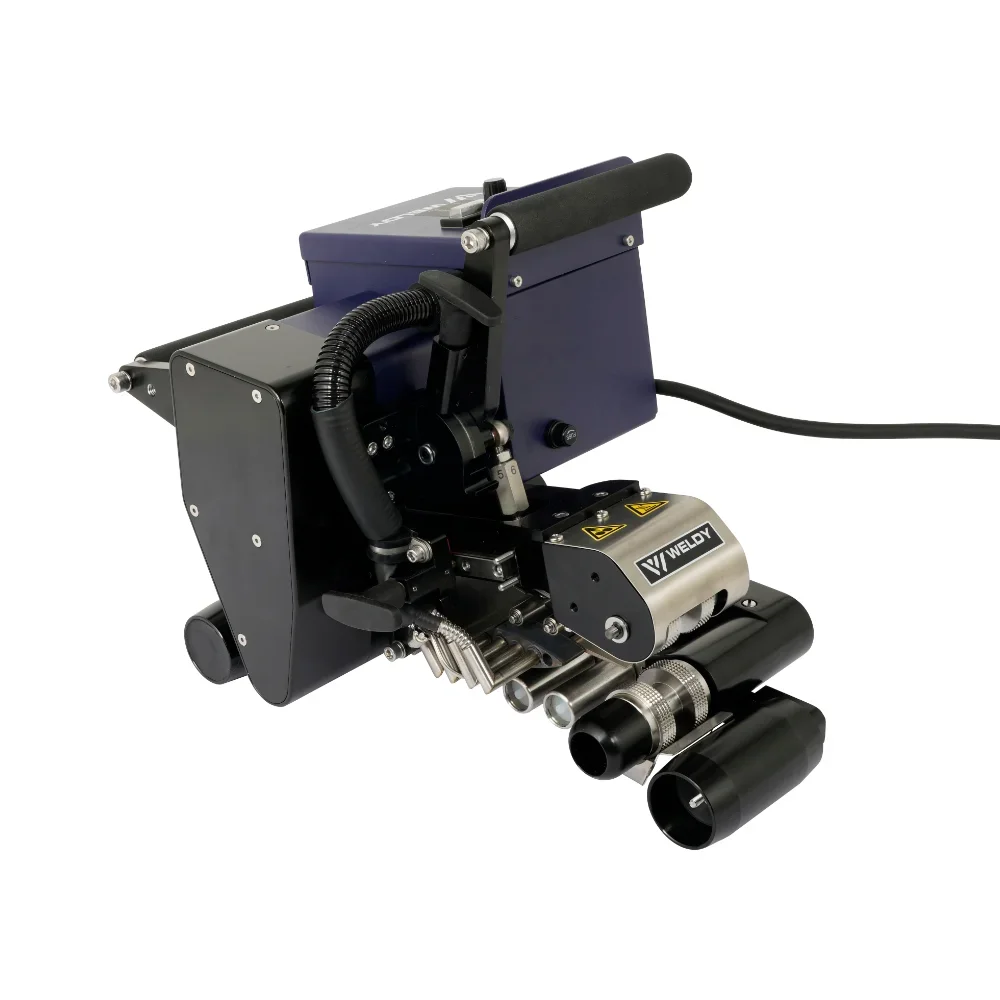
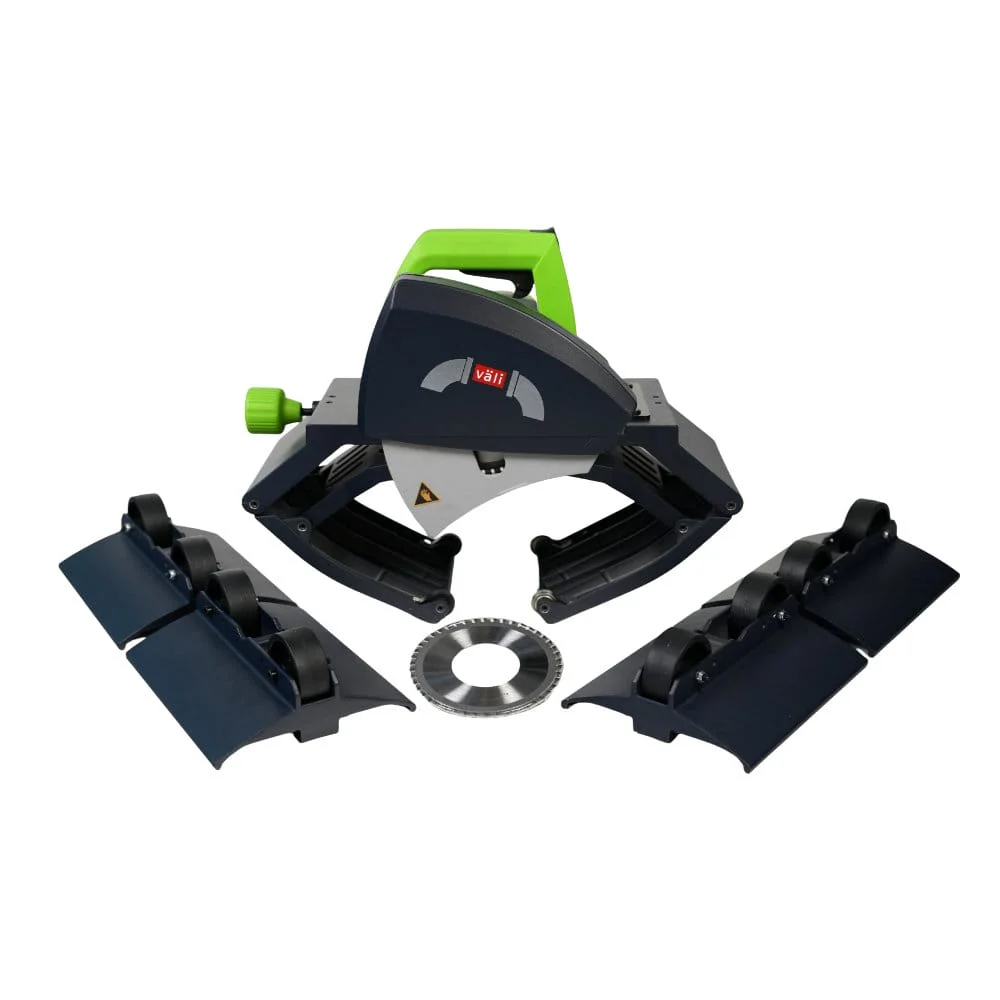
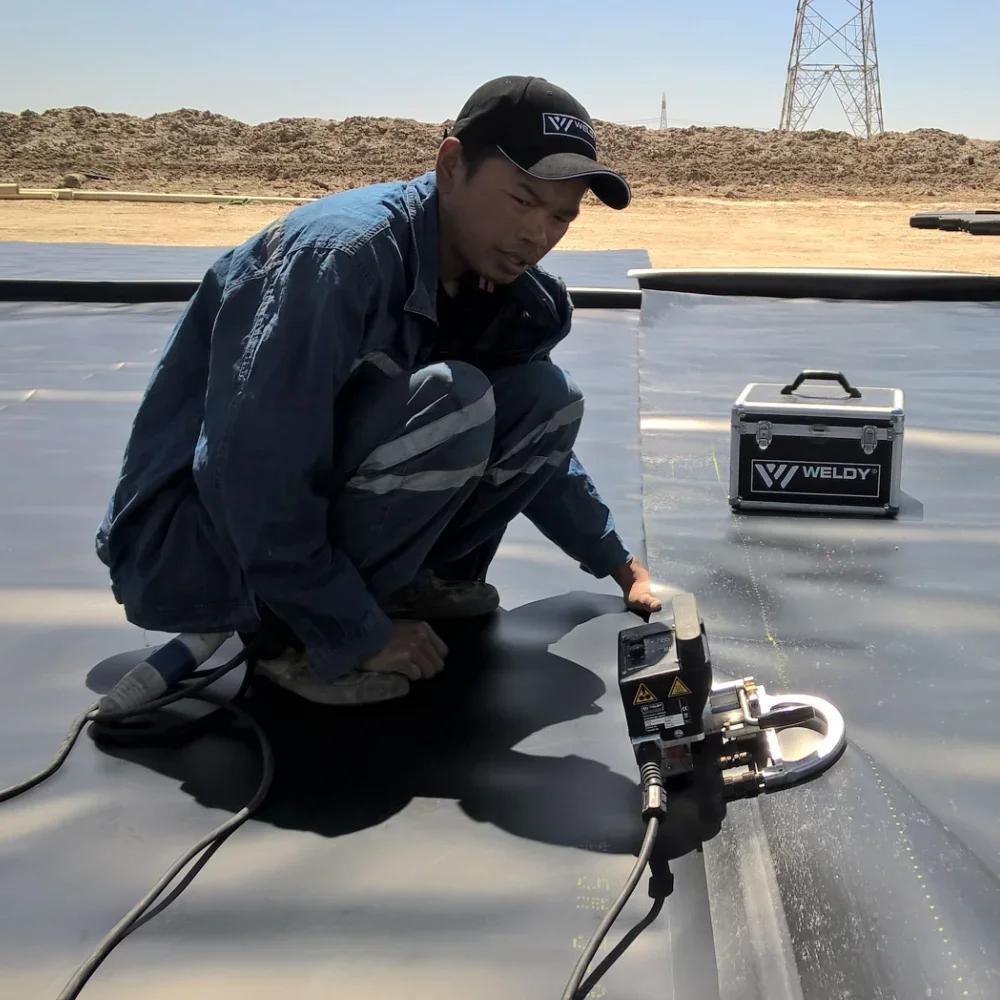
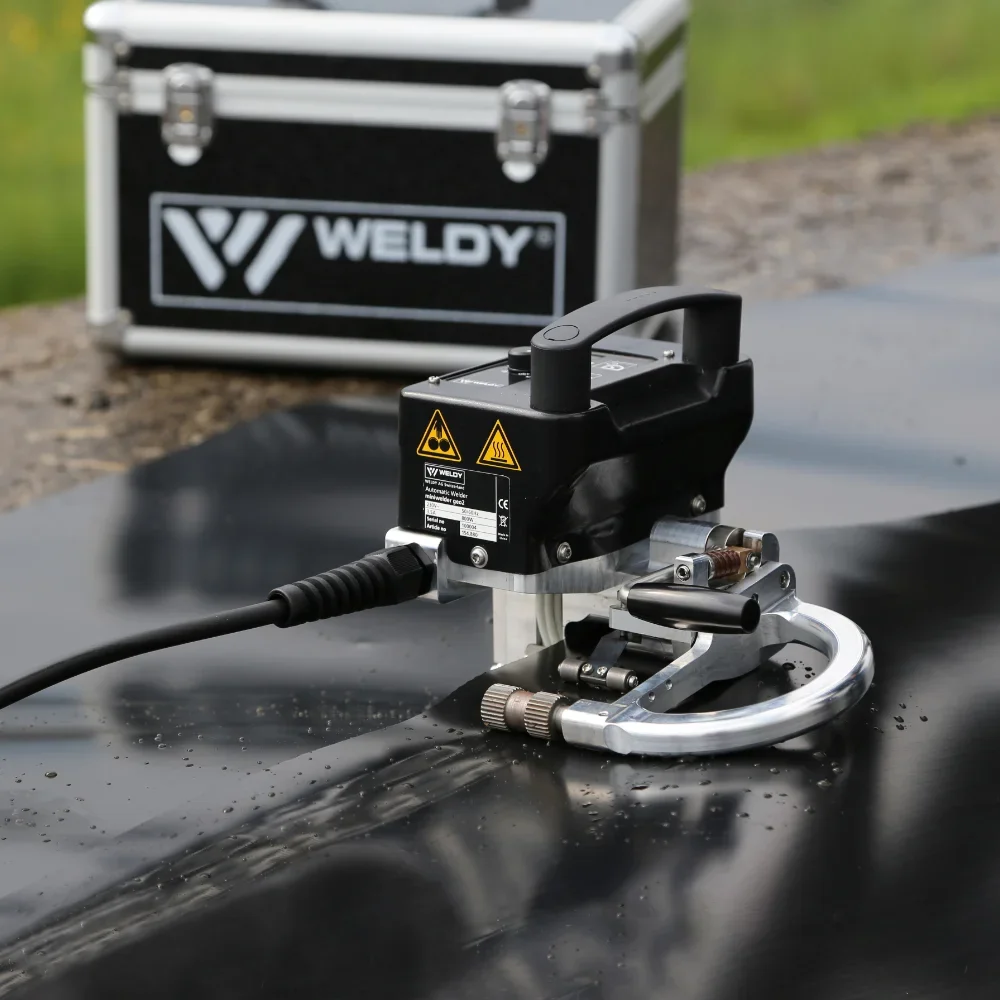
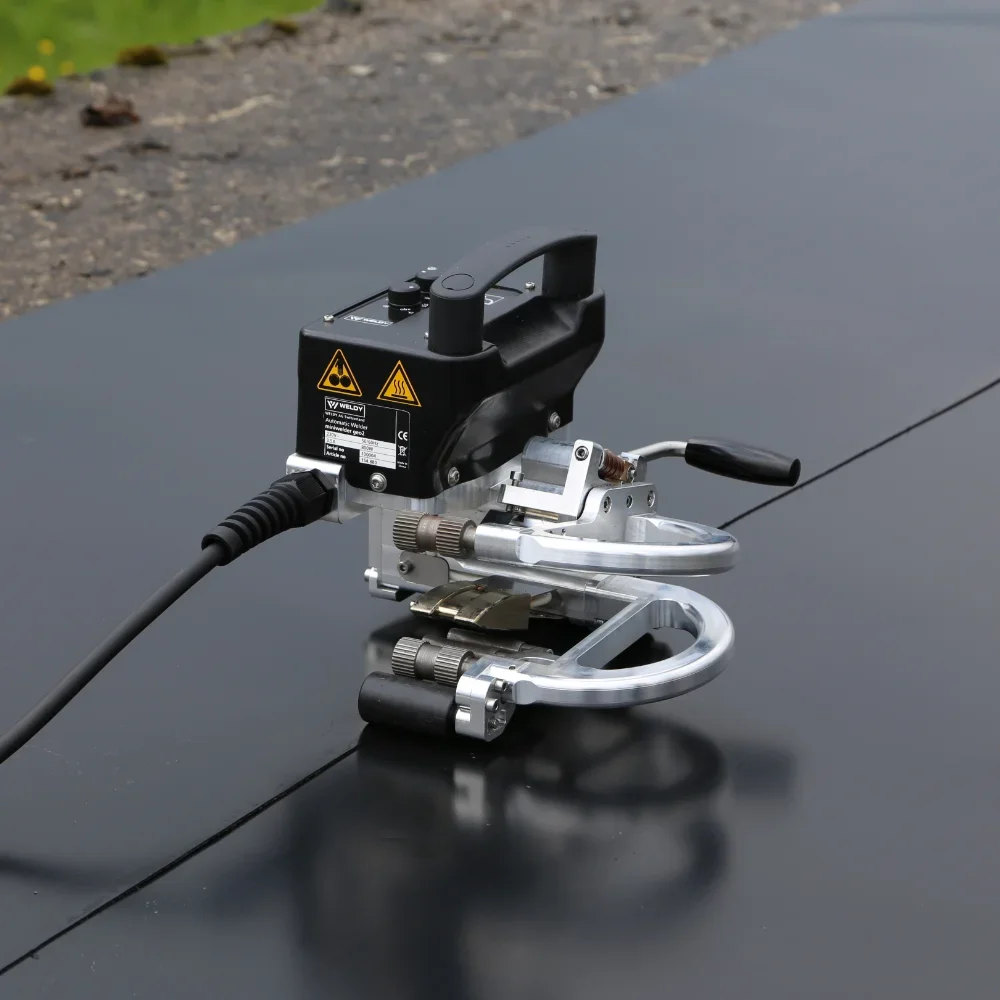
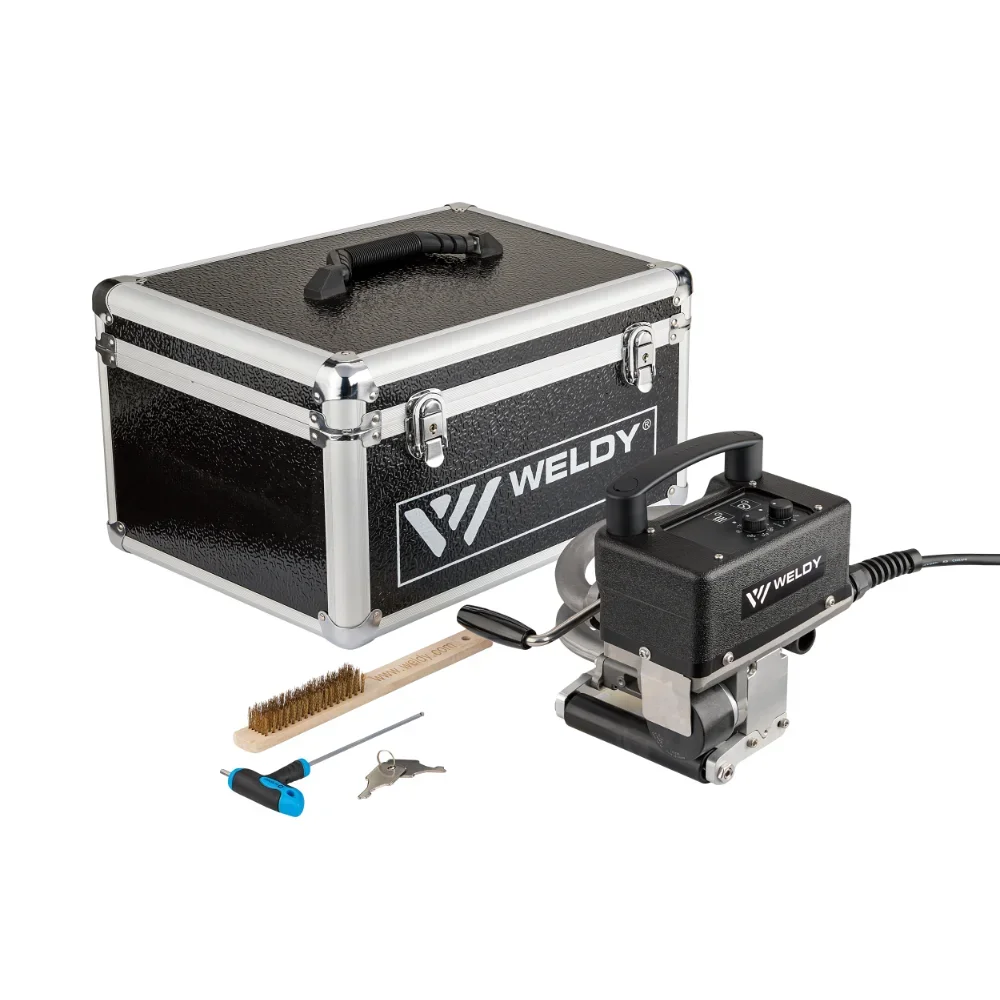
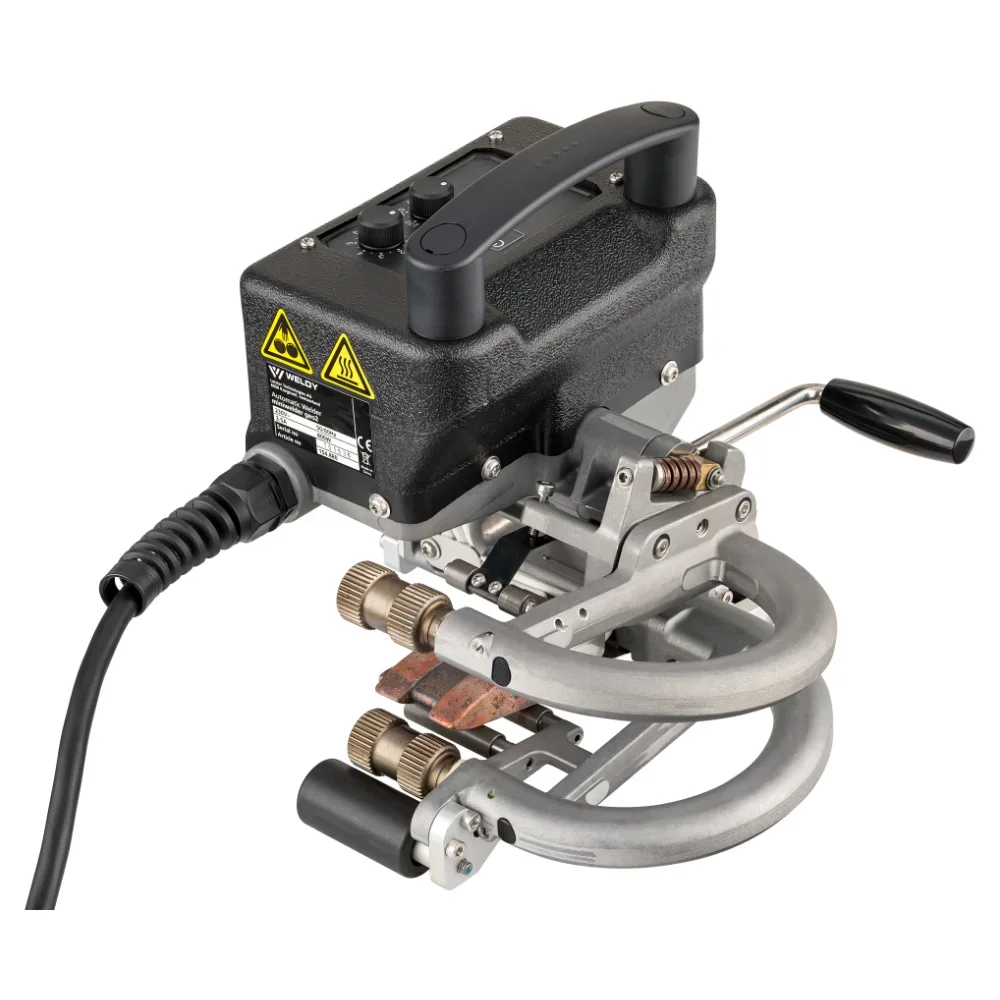
- Hot wedge welders: self-propelled machines that run a heated wedge between overlapping panels and press them together with rollers. They produce long, continuous field seams efficiently and consistently.
- Hand extrusion welders: deposit molten PE filler through a welding shoe. They are used for landfill and mining membrane welding and for reservoir and canal waterproofing, complementing the field seams made by wedge welders.
The range includes heavy-duty wedge welders for thicker containment liners, and lightweight machines for thinner membranes and smaller installations.
Key Features and Benefits
| Equipment type | How it joins | Typical use on lining projects |
|---|---|---|
| Hot wedge welder | Heated wedge melts the overlap and rollers press the panels together | Long, continuous field seams between geomembrane panels |
| Hand extrusion welder | Molten PE filler deposited through a welding shoe | Hand-guided PE welds on landfill, mining, reservoir and canal liners |
When selecting geomembrane welding equipment, consider:
- membrane material and thickness
- whether seams must be channel-tested
- project scale and terrain
- the balance between machine-made field seams and hand-guided welds
- the electrical supply available on site
Continuous, consistent field seams
A hot wedge welder controls temperature, speed and pressure along the full length of the seam. The result is uniform welds across large lined areas with far less operator variation than manual methods.
Seams that can be tested
Machines with a test-channel wedge produce a dual-track seam with an air channel between the two welds. Dual-track seams with a test channel allow air-pressure testing to assess seam continuity and identify potential leaks as part of the project’s quality-control procedure.
Machines matched to membrane weight
Heavy-duty wedge welders apply high welding pressure and accept wide overlaps for thick, stiff containment liners. Lightweight wedge welders are easy to carry and position for thinner membranes and smaller areas. Membrane thickness is the first selection factor.
Built for site conditions
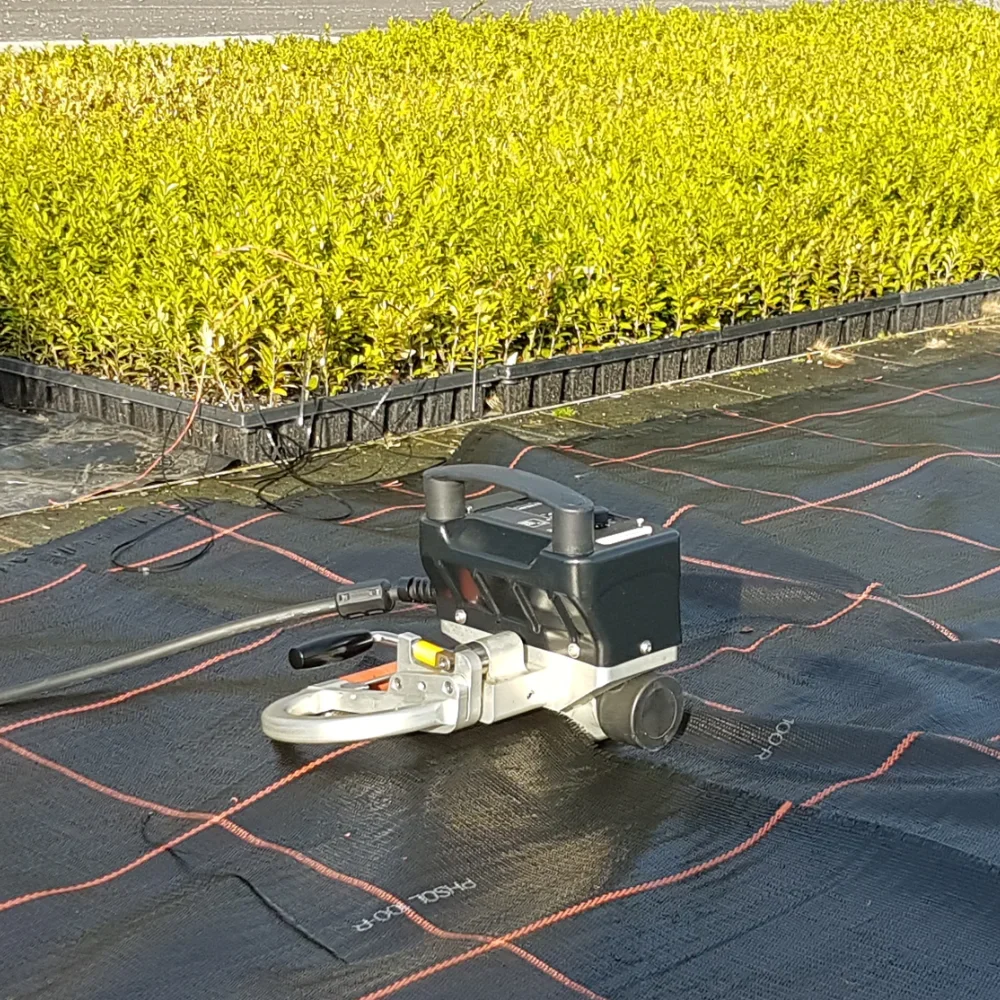
Large rollers, gripping drive rollers and robust construction keep wedge welders tracking on uneven ground. Field and indoor roller configurations are available on selected machines.
Extrusion welding alongside wedge welding
Hand extruders weld PE with welding rod, depositing filler material through an interchangeable welding shoe. Unlike a wedge welder, an extruder is guided by hand, which gives the operator direct control over each weld.
Applications and Use Cases
Applications for Weldy geomembrane welding equipment include:
- Landfill and mining membrane welding: base liners, caps and containment cells.
- Reservoirs and canals waterproofing: lining of water storage and conveyance structures.
- Pond waterproofing: lined ponds and basins.
- Aquaculture construction and repair: fish farm ponds and tanks.
- Foundation waterproofing: membrane protection below structures.
- Pool waterproofing: with lightweight machines suited to thinner membranes.
Each machine is designed for a defined range of membrane materials and thicknesses.
Request a quotation
Buy Geomembrane Welding Equipment from Global Source Middle East
Lining projects in the UAE’s waste, mining, water and aquaculture sectors depend on seams that hold. The equipment has to match the membrane, the terrain and the testing regime. Global Source Middle East supplies Weldy hot wedge welders and hand extruders to geomembrane installers and civil contractors, so field seams and detail welds can be covered from one source.
Contact Global Source Middle East with your membrane material, thickness and project scope to receive a quotation for the right combination of Weldy geomembrane welding equipment.
Frequently Asked Questions
Why use both a hot wedge welder and an extrusion welder?
The hot wedge welder makes the long, continuous seams between panels quickly and consistently. The hand extrusion welder adds hand-guided PE welds with filler material, giving the operator direct control where a self-propelled machine is not the right tool.
What is a test channel?
A test channel is an air gap between the two tracks of a dual-track wedge weld. After welding, the channel is pressurised to confirm that the seam is continuous and sealed.
Which geomembrane materials can be welded?
HDPE is the most common. Depending on the machine, Weldy equipment also welds LDPE, LLDPE, PP, TPO, FPO, CSPE and PVC geomembranes. Always match the membrane material and thickness to the specific machine.